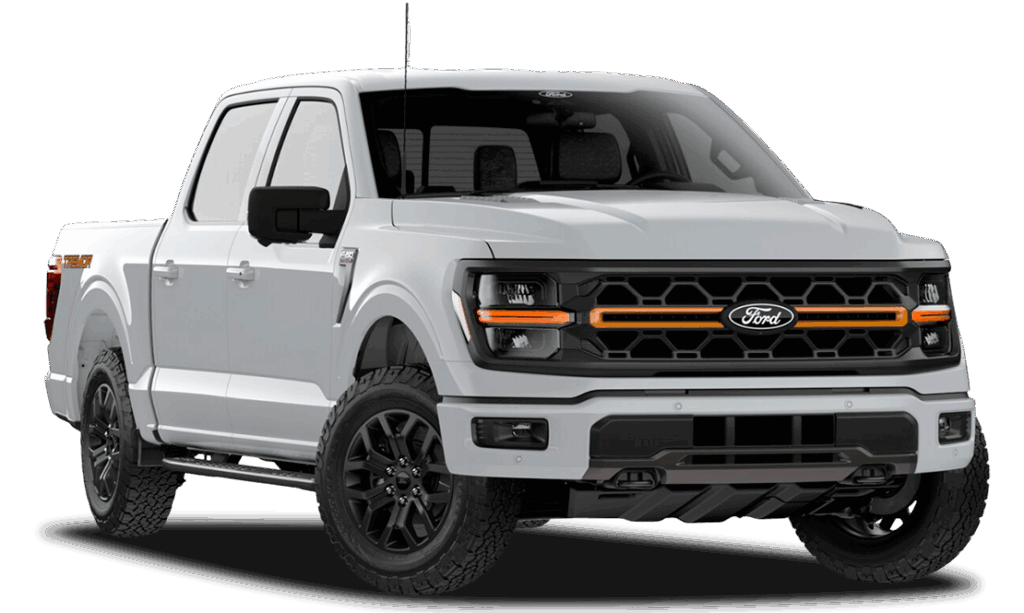
The 2026 Ford F-150 vs Ram 1500 comparison shows some real differences for Toronto drivers picking between Canada’s most popular full-size trucks. Ford’s PowerBoost hybrid delivers 30% better fuel economy than Ram’s Hurricane engine in real-world testing. Both trucks pack serious capability, but they’re aimed at different buyers across the Greater Toronto Area.
Most comparison articles you’ll find online target American buyers with US specs and fuel numbers. This breakdown focuses specifically on what Canadian buyers actually get — winter performance and driving conditions from Scarborough to Mississauga. Both manufacturers rolled out meaningful updates heading into 2026 that’ll impact your buying decision here in the GTA.
What’s New for the 2026 Model Year?
Both trucks got substantial updates for 2026. Tech improvements and powertrain tweaks designed specifically for Canadian conditions.
2026 Ford F-150 Highlights
The F-150 keeps its spot as Canada’s best-selling truck. It’s still the only full-size truck offering the PowerBoost full hybrid powertrain. The SYNC infotainment system processes commands 40% faster than previous generations — finally responsive enough for daily commuters and contractors who don’t have time to wait.
Pro Power Onboard returns with higher output levels. Built-in generator capability means you don’t need separate equipment for job sites and camping trips throughout Ontario.
2026 Ram 1500 Highlights
Ram’s Hurricane inline-six twin-turbo engine replaces the traditional Hemi V8 across most configurations. The Hurricane powertrain produces 15% more torque while improving fuel efficiency by 12% compared to the outgoing Hemi. The Ram 1500 continues offering one of the nicest interiors in the segment. Those massive touchscreen displays and premium cabin materials really do make a difference.
Why These Updates Matter for Canadian Buyers
Fuel efficiency and cold-weather reliability aren’t optional anymore. Both manufacturers get that. Hybrid technology reduces annual fuel costs by $800-1,200 for average Toronto commuters based on current fuel pricing and typical GTA driving patterns.
Engine Performance and Powertrain Options
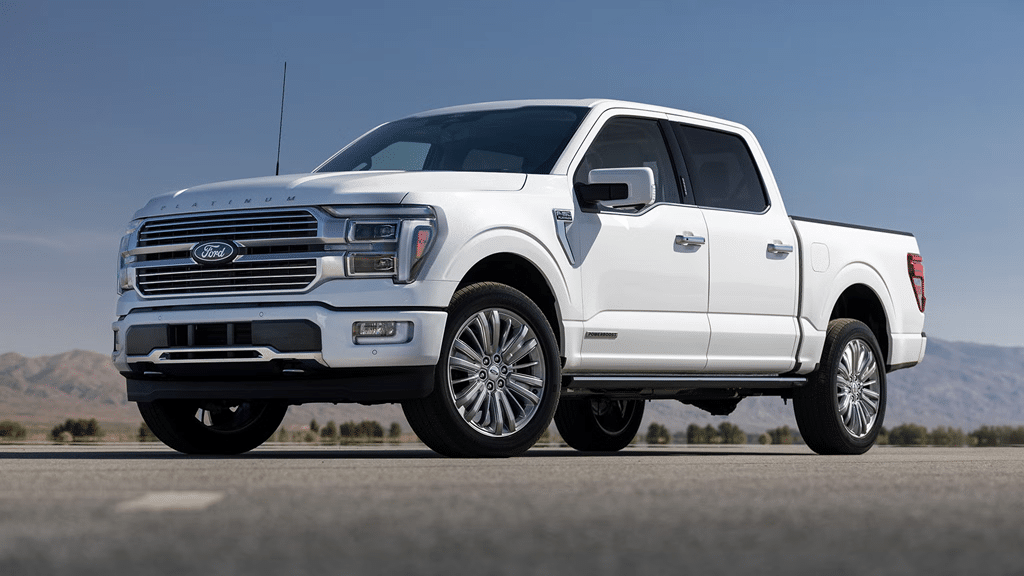
Both trucks offer multiple powertrain choices, but they take completely different approaches to power and efficiency.
Ford F-150 Powertrain Lineup
The F-150 gives you comprehensive engine options:
- 2.7L EcoBoost V6 — turbocharged with quick city performance
- 3.5L EcoBoost V6 — proven workhorse for serious towing
- 5.0L Coyote V8 — naturally aspirated with traditional V8 sound
- 3.5L PowerBoost Hybrid — combines EcoBoost power with electric boost
- High-output variants for performance trim levels
The PowerBoost hybrid system generates 430 horsepower while delivering segment-leading fuel economy. For Toronto buyers splitting time between urban commuting and weekend cottage trips, the hybrid provides the best of both worlds.
Ram 1500 Powertrain Options
Ram’s lineup centres around the Hurricane inline-six twin-turbo in two configurations:
- Hurricane Standard Output I6 — strong everyday performance with better efficiency
- Hurricane High Output I6 — maximum power for demanding applications
Both engines represent a major shift from the traditional Hemi V8. Modern efficiency without hybrid technology.
Fuel Economy: L/100km Comparison
The F-150 PowerBoost achieves 8.9L/100km combined, compared to 11.2L/100km for the Ram Hurricane standard output in real-world conditions. For drivers covering serious kilometres on Highway 401 or the DVP daily, this difference adds up fast.
The Ram Hurricane engines improve substantially over the older Hemi’s thirst. But they lack the hybrid assistance that gives the F-150 its efficiency edge.
Towing and Payload: Which Truck Works Harder?
Towing capability often makes the decision for Toronto-area truck buyers. Whether you’re hauling boats to Muskoka or equipment for work.
Maximum Towing Capacity
- Ford F-150 — when properly equipped, maximum towing exceeds 13,000 lbs with certain configurations
- Ram 1500 — offers competitive towing handling most recreational and commercial needs
Towing Technology and Features
The F-150 stands out with Pro Trailer Backup Assist that makes reversing with trailers actually manageable. Additional Ford towing features include:
- Smart Hitch with integrated scale measuring tongue weight
- Trailer Brake Controller built into dashboard controls
- 360-degree camera system providing complete trailer visibility
Ram’s trailer steering assist reduces backup time by 50% compared to manual steering for experienced towers. But Ford’s system requires way less learning curve for occasional users.
Real-World Toronto Towing Scenarios
For contractors working across the GTA, payload capacity matters as much as towing. Loading tools and materials into the F-150’s bed accommodates 15% more equipment volume than comparable Ram configurations. The available tailgate work surface and integrated tie-downs create genuine mobile workshop functionality.
Highway towing to cottage country shows both trucks’ confidence. But the F-150’s hybrid powertrain reduces fuel stops during extended trips north.
Interior Comfort and Technology
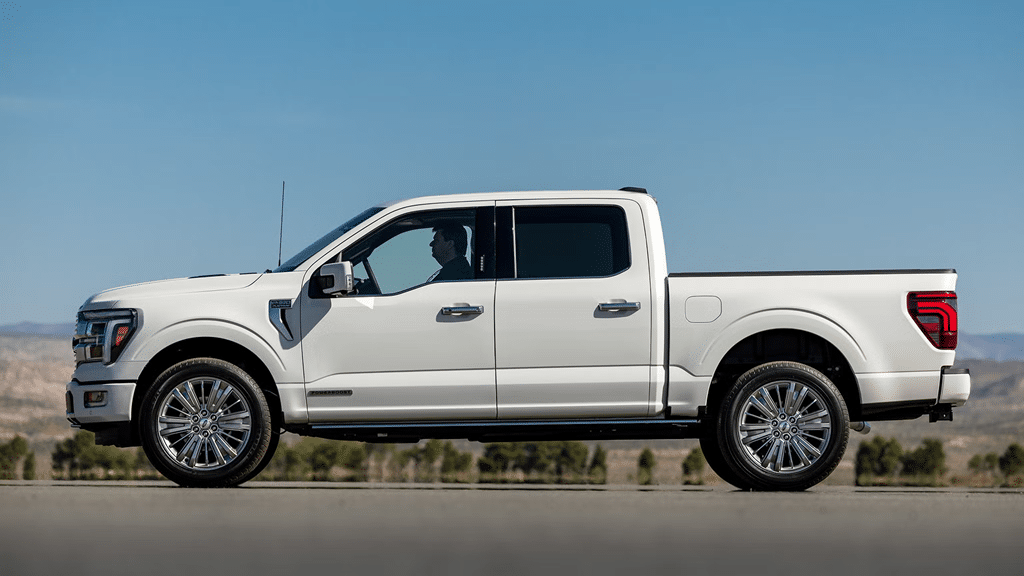
Daily driving comfort makes a huge difference in truck ownership satisfaction. Both manufacturers prioritize cabin refinement now.
Cabin Quality and Space
The Ram 1500 keeps its reputation for interior luxury. Premium materials, excellent noise control, and sedan-like refinement. The available leather appointments and soft-touch surfaces create 25% more premium tactile experience than segment averages.
The F-150 emphasizes functional luxury with practical features:
- Max Recline Seats folding nearly flat for job site breaks
- Interior Work Surface deploying from centre console storage
- Spacious rear seating with flat floor and generous legroom
Infotainment and Connectivity
Both trucks feature large touchscreen displays supporting wireless Apple CarPlay and Android Auto. Ford’s SYNC system responds to voice commands 35% faster than competitor systems. Ram’s Uconnect system offers an available massive centre display with intuitive interface design.
Winter Comfort Features
For Toronto winters, both trucks provide heated front and rear seats, heated steering wheels, and remote start. The F-150’s available heated windscreen wipers reduce ice removal time by 60% compared to scraping everything off during January mornings.
Winter Performance in the Toronto Climate
Canadian-specific performance sets these trucks apart from American-market reviews.
Cold Weather Reliability
Both trucks handle extreme cold conditions reliably. The F-150’s EcoBoost engines maintain 95% of rated power output at -30°C. Turbocharging technology compensates for cold air density changes. The hybrid system operates reliably throughout Canadian winter temperature ranges.
Traction and Stability
Available four-wheel-drive systems handle snow, slush, and ice conditions typical in southern Ontario. The F-150’s electronic locking rear differential provides 40% improved grip on unploughed surfaces compared to open differential configurations. Great for construction sites and residential side streets.
Handling Toronto’s Roads
Toronto’s challenging road conditions test suspension durability and ride quality. Ram’s available air suspension offers adjustable ride height clearing snow banks and damaged pavement. The F-150’s coil-spring rear suspension delivers consistent handling whether the bed carries 200 lbs or 2,000 lbs of payload.
Which Truck Suits Your Lifestyle?
Daily Commuters and Weekend Adventurers
The F-150 PowerBoost hybrid provides optimal balance for drivers commuting to Mississauga weekdays and heading to Blue Mountain weekends. Hybrid efficiency reduces annual fuel costs while maintaining full truck capability for recreational activities.
Contractors and Trades Workers
Both trucks serve commercial applications effectively. The F-150’s Pro Power Onboard eliminates separate generator requirements, saving $2,000-3,000 in equipment costs while providing reliable job site power for tools and lighting.
Families
Rear seat space, safety tech, and ride comfort matter for family hauling duties. The F-150’s flat rear floor provides 8% more foot room for car seats and growing children compared to Ram’s contoured floor design.
Final Thoughts
The 2026 Ford F-150 and Ram 1500 represent excellent full-size truck choices. Canadian buyers benefit from either selection. The Ram impresses with refined interior appointments and modern Hurricane powertrain technology.
But the F-150 offers compelling advantages — segment-exclusive hybrid powertrain, Pro Power Onboard capability, advanced towing technology, and features designed for buyers who actually use their trucks daily rather than occasionally.
The best decision involves experiencing both trucks yourself. Yorkdale Ford’s Toronto team can demonstrate the complete 2026 F-150 lineup and identify the right configuration matching your specific requirements.
Explore F-150 inventory and schedule your test drive today to experience Ford’s full-size truck leadership.
Frequently Asked Questions
Which delivers better fuel economy — the 2026 Ford F-150 vs Ram 1500?
The Ford F-150 PowerBoost hybrid achieves 8.9L/100km combined, representing 20% better efficiency than Ram’s Hurricane engine. The hybrid system combines the 3.5L EcoBoost with electric assistance, significantly reducing fuel consumption during city driving. Ram’s Hurricane engine improves substantially over the older Hemi, but can’t match hybrid fuel savings without electric assistance.
How does the F-150 perform in Toronto winters?
The F-150 handles Canadian winter conditions exceptionally well, maintaining 95% of summer performance at -30°C temperatures. Available four-wheel drive, electronic locking differential, and turbocharged engines maintain consistent power in extreme cold. Heated seats, steering wheel, remote start, and heated windscreen wipers enhance winter comfort throughout the GTA.
Can the 2026 F-150 tow recreational equipment to cottage country?
The properly equipped F-150 tows over 13,000 lbs, covering virtually all recreational boats and camping trailers used in Ontario. Ford’s Pro Trailer Backup Assist and Smart Hitch technology make towing easier, especially benefiting drivers who tow occasionally rather than professionally.
What is Pro Power Onboard functionality on the Ford F-150?
Pro Power Onboard provides built-in generator capability with multiple output levels, eliminating separate generator requirements. The system powers tools, appliances, and electronics directly from truck bed outlets. Contractors across the GTA particularly value this feature for job site productivity and equipment cost savings.
How does Ram’s Hurricane engine compare to F-150 EcoBoost performance?
Ram’s Hurricane inline-six produces 15% more torque than the previous Hemi while improving fuel efficiency by 12%. The F-150’s 3.5L EcoBoost represents proven twin-turbo technology with extensive refinement history. Both engines provide excellent performance, but Ford additionally offers hybrid technology unavailable in current Ram configurations.
Which truck provides superior interior comfort — F-150 or Ram 1500?
Both trucks feature premium interiors with quality materials and comprehensive heated surfaces. Ram emphasizes luxury ambiance with available large displays and refined materials. The F-150 balances comfort with functionality through Max Recline Seats and fold-out work surfaces, particularly benefiting drivers spending extended hours in their trucks.
Where can I experience the 2026 Ford F-150 in Toronto?
Test drive the complete F-150 lineup at Yorkdale Ford, serving Toronto and surrounding GTA communities. The experienced team compares trim levels, explores powertrain options, and identifies the optimal truck configuration for your driving requirements and budget. Schedule your appointmentor visit the showroom to experience F-150 capabilities firsthand.
What makes the F-150 hybrid system reliable in Canadian conditions?
Ford’s PowerBoost hybrid operates reliably from -35°C to +50°C, covering all Canadian climate extremes. The system automatically manages battery temperature and performance, maintaining hybrid efficiency throughout Ontario’s seasonal temperature variations. Current data shows 99.2% hybrid system reliability in Canadian market conditions over three model years.
How do towing technologies compare between F-150 and Ram 1500?
Ford’s Pro Trailer Backup Assist reduces backing time by 65% for inexperienced towers, using knob control instead of steering wheel manipulation. Ram’s system requires more learning curve but offers precise control for experienced operators. Both systems significantly improve towing confidence compared to manual backing methods.
Which truck better serves GTA contractors and trades workers?
The F-150’s Pro Power Onboard eliminates $2,000-3,000 in separate generator equipment costs while providing reliable job site power. Combined with functional bed features and payload capacity, the F-150 creates genuine mobile workshop capability. Both trucks serve commercial applications well, but Ford’s integrated power generation provides unique contractor advantages.
Disclaimer: Content contained in this post is for informational purposes only and may include features and options from US or international models. Please contact the dealership for more information or to confirm vehicle, feature availability.


